Swachh Bharat Mission-Urban
Swachh Bharat Mission-Urban
Mission Updates


Mission Updates
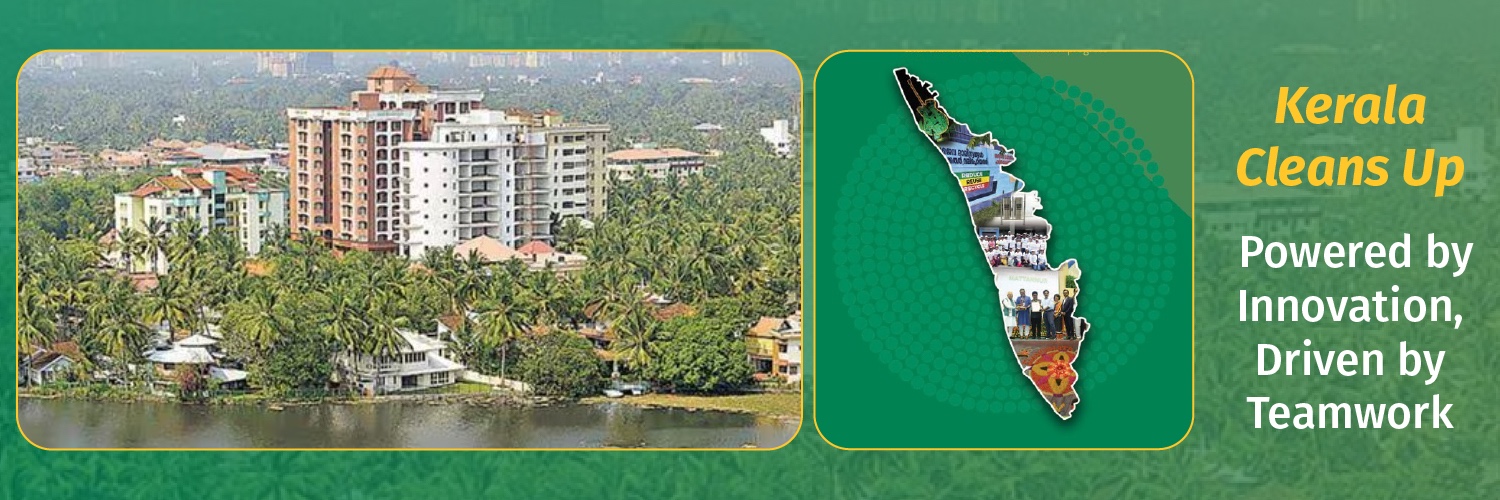
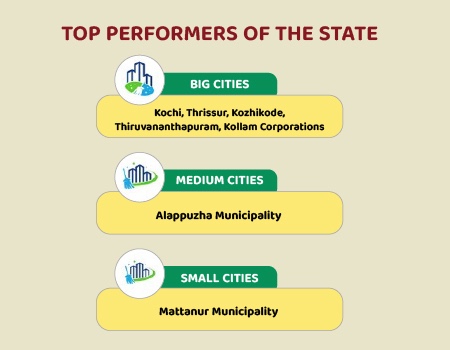
Kerala secured a major achievement in urban cleanliness and sanitation. For the very first time, eight cities from the state have entered the top 100 in the national rankings of Swachh Survekshan under Swachh Bharat Mission-Urban 2.0. The cities that brought pride to Kerala are Mattannur, Thiruvananthapuram, Kollam, Kochi, Thrissur, Kozhikode, Alappuzha, and Guruvayur. This success reflects the result of strong planning, focused efforts, and active participation by all levels of government, especially Urban Local Bodies (ULBs), supported by the State Suchitwa Mission.
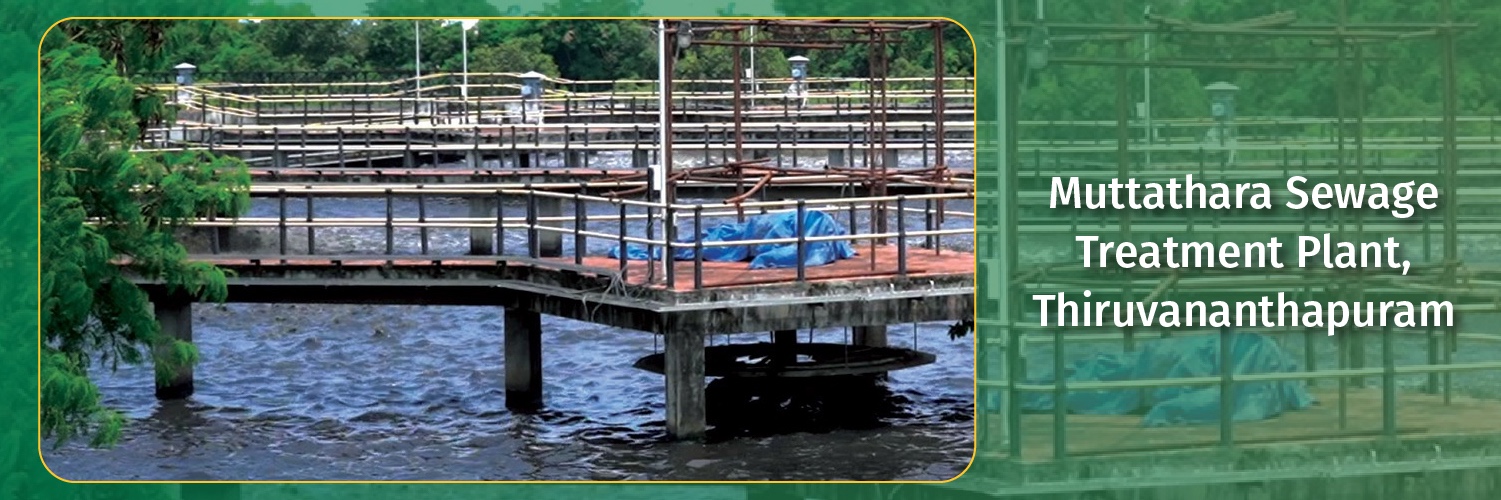
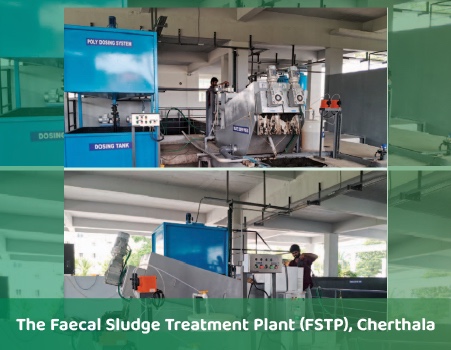
Over the years, Kerala has taken steady steps to improve its urban sanitation systems. A major highlight is the Muttathara Sewage Treatment Plant in Thiruvananthapuram, which has a capacity of treating 107 million litres of wastewater every day. With the addition of a new tertiary treatment facility, this plant now enables the reuse of treated water for construction, industries, and other purposes, helping to conserve freshwater and reduce pollution. In Cherthala, a modern faecal sludge treatment plant was set up under the Rebuild Kerala Initiative. With the ability to treat 250 kilolitres of waste per day, it plays a crucial role in maintaining the town’s cleanliness and public health.
Another important innovation has been the use of Mobile Septage Treatment Units (MTUs) in places where large treatment plants cannot be built due to space issues or public concerns. These mobile units, mounted on vehicles, collect and treat septic waste directly, reducing health risks and protecting the environment. They are already functioning in Changanassery, Kodungallur, Chalakudy, Chavakkad, Kunnamkulam, Alappuzha, and Manjeri, with more units being planned and procured. MTUs are cost-effective, fast, and efficient, making them especially useful in smaller towns that lack big infrastructure. They also help reuse treated water for gardening or other non-drinking purposes.
To support the cities in their preparation for Swachh Survekshan, the State Suchitwa Mission played a vital role. They created 22 model formats to help ULBs maintain proper records and show their work effectively during field assessments. Young professionals were deployed in every ULB to manage data and coordinate Swachh Bharat Mission (Urban) activities. ULB officials were assigned as Nodal Officers to monitor progress and ensure timely actions. At the state level, interns were posted to cover Kerala’s three regions—South, Central, and North—guiding and training ULBs, reviewing progress, and verifying data on the ground.
The State also formed Swachh Survekshan cells at the ULB, District, and State levels. These dedicated teams worked together to improve performance, fix problems, and share best practices across the state. The state cell, with experts and interns, closely monitored every activity and ensured that all local teams received the support they needed.
Kerala’s cities also actively took part in national cleanliness campaigns launched by the Ministry of Housing and Urban Affairs under the Swachh Bharat Mission.
All these efforts—big and small—came together to create a huge impact. Kerala’s performance in Swachh Survekshan 2025 is not just a matter of rankings, but a reflection of the state’s strong commitment to building cleaner, healthier cities. It shows what is possible when there is vision, coordination, and a willingness to keep improving. This achievement marks not an end, but a new beginning in Kerala’s journey toward a waste-free and sustainable future.

For regular updates, please follow the Swachh Bharat Mission’s official website and social media properties:
Website: https://sbmurban.org/
Facebook : Swachh Bharat Mission - Urban | X: @SwachhBharatGov
Instagram: sbm_urban | Youtube: Swachh Bharat Urban | LinkedIn: swachh-bharat-urban