Swachh Bharat Mission-Urban
Swachh Bharat Mission-Urban
Mission Updates


Mission Updates
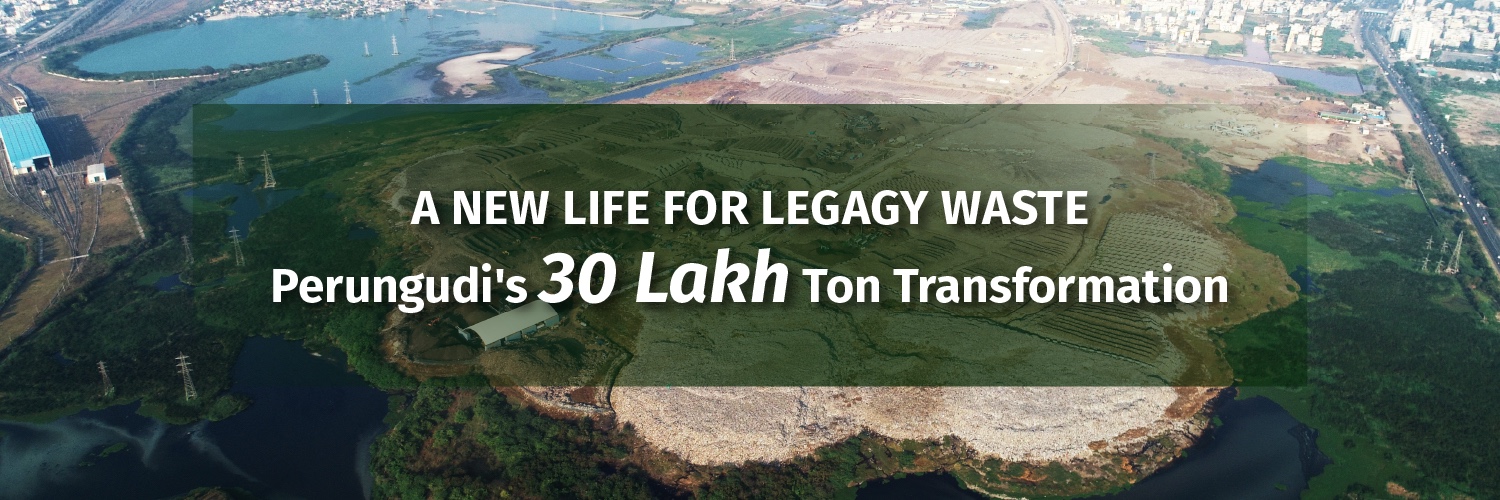
At Chennai’s Perungudi, a mountain of garbage that once defined Chennai’s skyline is quietly disappearing. What stood as a symbol of the city’s waste crisis is now being carefully dismantled, layer by layer, and given a second life. For over three decades, this 200-acre site amassed waste, enough to fill hundreds of Olympic swimming pools, bringing with it toxic air, unchecked urban encroachment, and severe ecological damage.
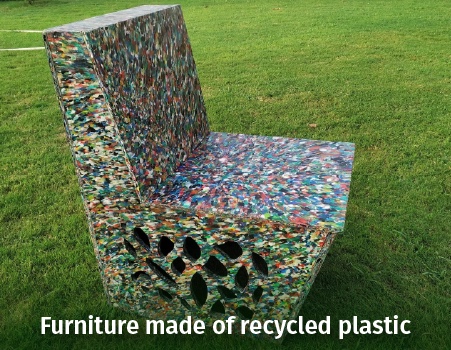
The Perungudi landfill spans 250 acres, of which 225 acres had accumulated legacy waste estimated at 30 lakh tonnes. In November 2020, the Greater Chennai Corporation decided to rewrite the narrative. Through large-scale dumpsite mining led by Chennai-based Blue Planet, legacy waste buried over years is being recovered and reborn as construction material, as tables and chairs, as usable resources that re-enter the economy instead of choking the land. Organic-rich soil and sand were reused to restore agricultural fertility. Recovered stones and aggregates filled low-lying areas, replacing virgin earth. The inert material, once a pollutant, was washed and processed to match IS-383:2016 construction-grade standards. Leading Chennai companies used it as an alternative to river sand, curbing destructive sand mining. What was once discarded is now finding purpose.
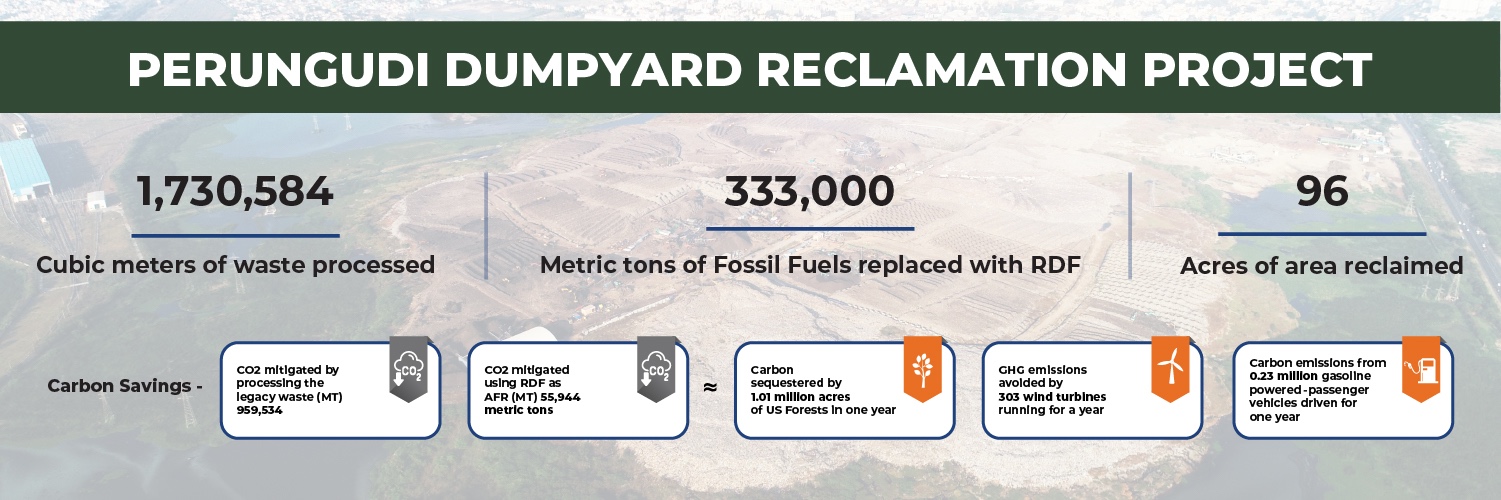
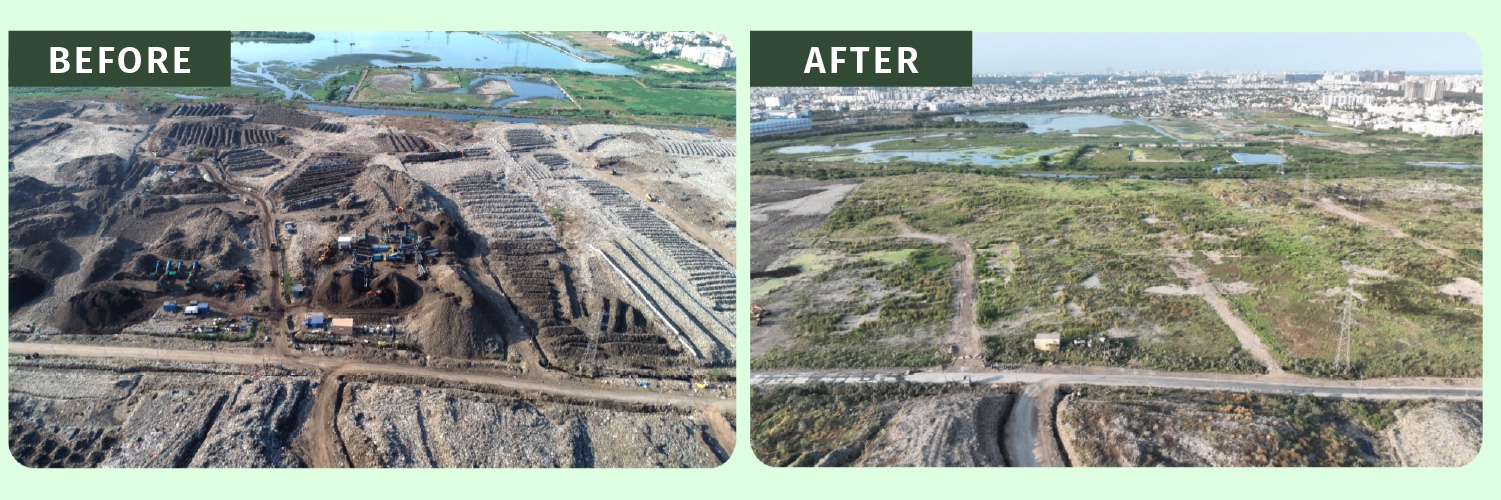
Every day, Chennai generates nearly 5,500 tonnes of garbage, much of which has long ended up at the twin dumpsites of Perungudi and Kodungaiyur. Today, at Perungudi, that mountain is finally shrinking, marking a slow but significant shift from dumping to recovery, and from waste to opportunity. The project finished nearly a year ahead of schedule, setting national benchmarks in legacy waste processing and RDF channelization. Over 8 lakh tonnes of CO₂ emissions were avoided annually, with 30,000+ tonnes more saved through alternative fuel use.
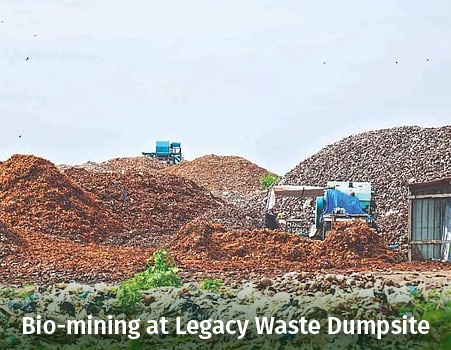
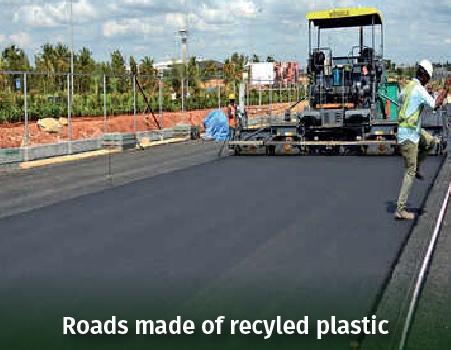
Revenue followed, construction-grade sand, recycled furniture, and fuel supplied to cement plants. These were market-ready products, already in use, reshaping urban infrastructure. The results are tangible. Recovered steel is finding new life as utensils and hardware, while nearly 3,000 tonnes of discarded glass have been recycled into bottles.
Today, a green park replaces the burning dump. Children play, families gather, and benches made from landfill waste offer rest. The Pallikaranai marsh breathes again, with 115 bird species returning. The turning point came when under the Swachh Bharat Mission Urban 2.0, the Greater Chennai Corporation embraced biomining - a scientific process that digs into legacy waste and carefully separates it into recoverable and disposable streams. Instead of being buried again, every load extracted from Perungudi is processed in full, ensuring that nothing is pushed back into the ground.
Perhaps the most striking transformation, however, is that of plastic, long dismissed as non-recyclable. At Perungudi, this stubborn waste has been reshaped into outdoor furniture, pallets, ramps and other urban infrastructure. Officials associated with the project note that these plastic-based products can be recycled seven to eight times, extending their life cycle far beyond what conventional disposal ever allowed. In doing so, the landfill is no longer an endpoint, but the beginning of a circular journey.